


The Reading Crisis
Author Tristan Bancks on reluctant readers, screens and raising kids who love books.

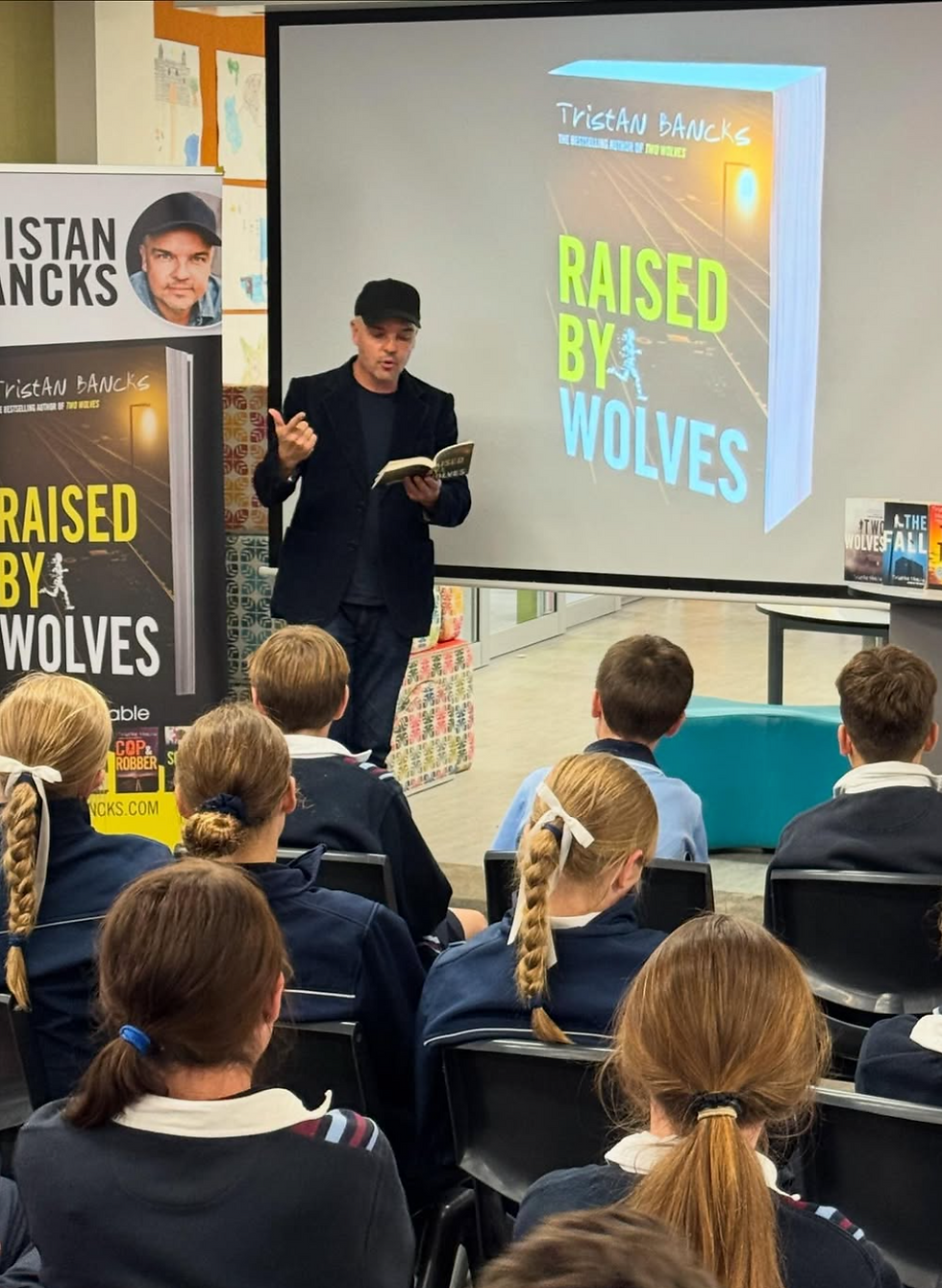
Tristan Bancks tells stories for the page and screen. His latest novel for readers aged 10+, Raised By Wolves, follows on from bestseller and CBCA Honour Book Two Wolves. His other titles include The Fall, Detention, Cop & Robber, the Tom Weekly series, Scar Town, winner of the CBCA Book of the Year Award, and Ginger Meggs, based on the classic comic strip created by his great-great uncle Jimmy Bancks. Tristan is an author-advocate for literacy non-profit Room to Read. He appeared at this year's Byron Writers Festival to discuss the youth reading crisis and spoke to LOCALE Kids about reluctant readers and what parents can do to help.
You spoke at BWF on the reading crisis. What is actually happening, and how worried should we be?
When I visit schools, I hear more than ever how hard it is to get kids from upper primary onwards to pick up a book and stick with it, a slide that used to start around Year 9. Australia Reads found one in three kids can't read proficiently. Festivals like BWF matter because they bring books to life and inspire reluctant readers, and we discussed practical ways to turn things around.
What's the biggest thing getting in the way of kids picking up a book right now?
Shorter attention spans from short-form media affect kids and adults alike. COVID also had an impact, with one-on-one reading attention hard to provide from home. And school libraries have been underfunded, or replaced with technology, without recognising the role they play in stretching attention spans.

Tom Weekly is a great example of writing for reluctant readers. What's your approach to hooking a kid who says, "I don't like reading"?
I write books that move: page-turning stories with high stakes, adventure and thrills. But I also write stories I connect with deeply, that show what it was like to be me as a kid. Hopefully that makes them feel authentic, and makes kids feel seen too.
Raised By Wolves follows Two Wolves. What made you return to that story, and what can readers expect?
Two Wolves follows Ben and Olive Silver, on the run with their parents after a crime. Raised By Wolves is set five years later, the night their dad returns and steals something valuable from the family. Ben and Olive track him across the city over one hectic night, trying to bring him to justice, and find out if he ever loved them.
Two Wolves dealt with tough material. How do you decide what's okay for a 10- to 12-year-old, versus what should wait?
I don't pull punches when I'm writing. There's a danger at this age of sanding off all the sharp edges until a story stops gripping. I think it's an important age to surprise readers and trust their intelligence to wrestle with big ideas.
Do screens compete with books, or is it more complicated than that?
Screens are inevitable. I've always loved movies, TV and games myself. What matters is that books stay present in homes and schools and are valued. They can be an escape from screens, but also a way to understand other people and ourselves. They also help with positive education and mental health outcomes. I try to write books that are just as immersive as any screen.

As an author-advocate for Room to Read, has seeing literacy challenges globally shaped how you see the crisis at home?
We're lucky to have access to books and libraries that many kids abroad don't. My work with Room to Read is built on the idea that world change starts with educated children. We've raised about $270,000 through our World Change Challenge to fund libraries, local-language books and girls' education. Our crisis here isn't as pressing, but I'd hate to see us waste that privilege.
You've called the Northern Rivers home for a while now — has it made its way into your stories?
Definitely. Byron Writers Festival was important to me from the beginning, making it feel possible I could earn a living as an author. My books are littered with settings and characters and references to this region, and the community has been hugely supportive of my work.
One thing every parent could do differently this year to help their kid fall in love with reading?
Read. Put down the phone and take a few minutes each day for your kids to see you reading, to model it, normalise it, and invest in your own wellbeing too.


Comments